Achieving Comfort and Efficiency with Professional Air Conditioning Installation

In today’s world, maintaining a comfortable indoor environment is no longer a luxury—it’s a necessity. Whether it’s the height of summer or a season of fluctuating temperatures, having a reliable and efficient air conditioning system ensures a consistent level of comfort throughout the home or workplace. Proper AIR CONDITIONING INSTALLATION MILFORD OH plays a crucial role in ensuring that your system operates at peak performance, delivering both comfort and energy efficiency. From selecting the right unit to professional installation and long-term maintenance, each step influences how effectively your cooling system performs over time.

air conditioning installation

A professional approach to AC installation does more than just provide cooling—it helps optimize indoor air quality, maintain consistent temperatures, and reduce energy consumption. Many homeowners and businesses are realizing that the difference between an average installation and a professional one often lies in long-term performance and operating costs. Investing in the right installation service not only enhances comfort but also extends the lifespan of the system, making it a smart long-term investment.

Understanding the Importance of Proper Air Conditioning Installation

Installing an air conditioning system involves far more than setting up the unit and connecting a few wires. It’s a technical process that requires expertise in sizing, airflow design, refrigerant handling, and safety compliance. When done properly, installation ensures the system runs efficiently and delivers the desired cooling effect without unnecessary strain.

Improper installation can lead to multiple issues, such as uneven cooling, higher energy bills, frequent breakdowns, and reduced system lifespan. For instance, if the unit is not properly sized for the space, it may either short-cycle (turn on and off frequently) or run continuously without effectively reaching the desired temperature. Both scenarios cause unnecessary wear and tear, leading to increased maintenance costs and energy waste.

Professional air conditioning installation services focus on getting these crucial details right from the start. Certified technicians evaluate room sizes, insulation quality, and ductwork layout before recommending the best type of system for the property. This attention to detail ensures maximum efficiency, comfort, and durability.

Choosing the Right Type of Air Conditioning System

Selecting the right air conditioning system is one of the most important steps in the installation process. The ideal system should match the property’s size, layout, and cooling needs. There are several types of systems available, each offering unique advantages:

  1. Central Air Conditioning Systems: These are popular for larger homes and commercial spaces. They use a network of ducts to distribute cool air evenly throughout the building.
  2. Ductless Mini-Split Systems: Perfect for smaller spaces or properties without existing ductwork, these systems offer zone-based cooling and energy efficiency.
  3. Window and Portable Units: Suitable for single rooms or temporary setups, these are compact, easy to install, and cost-effective.
  4. Heat Pumps: These systems provide both heating and cooling capabilities, making them versatile year-round solutions.

Professional installers help clients determine which system best suits their needs, taking into account factors such as energy efficiency, noise levels, and long-term maintenance requirements.

Key Steps in Professional Air Conditioning Installation

A professional installation involves a step-by-step approach to ensure precision, safety, and long-term performance. The process typically includes:

  1. Initial Assessment: A technician evaluates the property to determine the right system size and placement for optimal airflow and efficiency.
  2. Design and Planning: The installer develops a plan for ductwork (if applicable), wiring, and drainage systems to ensure a seamless setup.
  3. Installation of Equipment: The indoor and outdoor units are positioned strategically for maximum performance and minimal noise disturbance.
  4. Connection and Testing: After connecting electrical components and refrigerant lines, the system is tested to confirm proper operation.
  5. System Calibration: The installer fine-tunes the thermostat and ensures even temperature distribution throughout the property.

By following this detailed process, professional installers help clients avoid future complications and maximize the return on their investment.

Benefits of Professional Air Conditioning Installation

The advantages of hiring experts for AC installation services extend far beyond immediate comfort. A well-installed system operates smoothly, consumes less energy, and lasts longer. Here are some of the most significant benefits:

  • Improved Efficiency: A professional installation ensures that the air conditioner runs at peak performance, reducing energy waste and lowering monthly utility bills.
  • Enhanced Comfort: Properly installed systems maintain consistent indoor temperatures, eliminating hot and cold spots.
  • Longer Equipment Lifespan: When installed correctly, the system experiences less wear and tear, which reduces the frequency of repairs and extends its operational life.
  • Better Air Quality: Correct duct and filter setup promotes cleaner, healthier indoor air by reducing dust and allergens.
  • Warranty Protection: Many manufacturers require professional installation for warranty validity, ensuring coverage in case of future issues.

These benefits underscore why professional installation should never be viewed as an unnecessary expense but rather as a strategic investment in comfort and efficiency.

Common Mistakes to Avoid During Installation

Even small errors in installation can lead to long-term problems and unnecessary expenses. Some common mistakes include:

  1. Incorrect Sizing: Installing a system that’s too large or too small for the property leads to inefficiency and increased energy consumption.
  2. Poor Ductwork Design: Leaky or poorly designed duct systems result in energy loss and uneven cooling.
  3. Improper Refrigerant Levels: Incorrect refrigerant charge affects cooling performance and can damage the compressor.
  4. Ignoring Ventilation: Inadequate ventilation leads to moisture buildup, mold growth, and poor indoor air quality.
  5. Incorrect Thermostat Placement: Placing the thermostat in a hot or cold zone affects temperature readings and system operation.

Professional technicians prevent these issues through proper planning, calculations, and testing, ensuring the system performs optimally from day one.

The Role of Energy Efficiency in Modern AC Systems

With energy costs continuing to rise, efficiency has become a top priority in air conditioning installation. Modern HVAC systems are designed to deliver superior cooling while using less energy. Many units feature variable-speed motors, advanced compressors, and smart thermostats that adjust performance based on usage patterns.

Professional installers play a vital role in optimizing these energy-saving technologies. They ensure that systems are correctly matched with the building’s needs and that all components—ductwork, insulation, and controls—work together harmoniously. Choosing a high-efficiency system and pairing it with professional installation can significantly reduce utility bills and environmental impact.

Post-Installation Maintenance and Care

Even the best air conditioning system requires regular maintenance to sustain its performance. After installation, professional services often include scheduled inspections and tune-ups to ensure the unit continues to operate efficiently. Routine maintenance tasks include:

  1. Cleaning or Replacing Filters: Dirty filters restrict airflow and reduce cooling efficiency.
  2. Checking Refrigerant Levels: Maintaining proper refrigerant levels ensures optimal cooling and prevents compressor damage.
  3. Inspecting Coils and Fins: Regular cleaning prevents dust buildup that can impair heat transfer.
  4. Testing Electrical Components: Ensuring a safe and consistent power supply helps avoid malfunctions.
  5. Calibrating the Thermostat: Accurate readings help maintain consistent indoor temperatures.

Ongoing care not only preserves efficiency but also minimizes unexpected breakdowns and costly repairs.

Signs You Need a New Air Conditioning Installation

While maintenance can prolong a system’s life, there comes a time when replacement becomes more practical than repair. Some signs that indicate it might be time for a new air conditioning installation include:

  • Frequent Repairs: If the unit requires constant servicing, investing in a new system may be more cost-effective.
  • Rising Energy Bills: Increased energy consumption can indicate declining efficiency.
  • Uneven Cooling: Hot and cold spots often result from failing components or improper sizing.
  • Age of the System: Most air conditioners have a lifespan of 10–15 years; beyond this, efficiency drops significantly.
  • Noise and Odor: Persistent, unusual sounds or odors suggest internal damage or buildup requiring replacement.

When these signs appear, consulting a professional installer ensures the right system is chosen and set up for optimal performance.

The Long-Term Value of Professional Installation

Proper air conditioning installation offers more than immediate comfort—it’s a long-term investment in your property’s value and livability. Efficient cooling systems enhance indoor comfort, reduce energy consumption, and contribute to a healthier environment. Additionally, professional installation ensures compliance with safety codes and environmental regulations, providing peace of mind for homeowners and business owners alike.

A well-installed system also increases property appeal, especially in regions with warm climates where air conditioning is a key feature. Whether for residential or commercial spaces, the combination of comfort, efficiency, and durability makes professional installation a decision that pays dividends for years to come.

Investing in professional air conditioning installation services is one of the most effective ways to ensure reliable comfort, optimal efficiency, and long-term performance. With proper system selection, expert setup, and regular maintenance, property owners can enjoy consistent cooling and lower energy costs throughout the year.

From understanding the technical aspects of installation to avoiding common mistakes and ensuring post-installation care, the benefits of professional expertise are undeniable. An experienced installer not only helps select the right system but also guarantees that it operates at peak performance from day one.

In a world where comfort, efficiency, and sustainability are increasingly interconnected, professional air conditioning installation stands out as a smart investment for both homes and businesses. When done right, it ensures a cooler, cleaner, and more comfortable indoor environment for years to come.

The Critical Role of Emergency Water Removal Services in Protecting Property

Water intrusion can strike at any time, whether due to natural disasters like floods and storms, plumbing failures, or unexpected leaks. The damage caused by water can escalate rapidly, affecting structural integrity, damaging personal property, and creating conditions for mold growth and other health hazards. In these situations, prompt action is essential.

Emergency water removal services provide fast, efficient, and professional solutions for extracting water and minimizing damage to properties. These services are designed to respond immediately to water-related emergencies, helping homeowners and businesses restore safety, functionality, and peace of mind. The expertise, equipment, and procedures used by these professionals make them an indispensable resource in mitigating the potentially devastating effects of water damage. Visit Website to get started.

water removal

Emergency water removal services encompass a comprehensive approach to water damage management. The first step in any response is rapid assessment, where trained technicians evaluate the extent of flooding, identify sources of water intrusion, and determine the areas most at risk. This evaluation informs the selection of appropriate removal and drying strategies, ensuring that the process is both safe and effective. Prompt assessment is critical because water can spread quickly through walls, floors, and ceilings, reaching hidden spaces such as subflooring or behind drywall. Professional water removal teams are trained to detect moisture in these areas using specialized tools such as moisture meters and thermal imaging cameras, allowing them to target problem areas efficiently and prevent secondary damage that might otherwise go unnoticed.

The removal of water is the most immediate and urgent task in any emergency water situation. Advanced water extraction equipment, such as high-capacity pumps, wet vacuums, and industrial-grade dehumidifiers, is employed to remove standing water from affected areas. The process must be executed carefully to prevent further damage to flooring, walls, and furnishings. Unlike basic household pumps or buckets, professional equipment can remove large volumes of water quickly while preserving as much of the property as possible. Efficient water removal reduces the risk of long-term structural issues, minimizes the growth of mold and bacteria, and accelerates the overall restoration process. Without prompt intervention by trained professionals, even minor water intrusion can evolve into extensive damage requiring costly repairs.

Once standing water has been removed, the focus shifts to thorough drying and dehumidification. Water that has penetrated structural materials, carpets, and furniture can linger and cause problems if not completely dried. Emergency water removal services utilize industrial fans, air movers, and high-capacity dehumidifiers to accelerate drying, preventing moisture from seeping deeper into walls, subfloors, or insulation. This stage is critical in reducing the likelihood of mold growth, which can occur within 24 to 48 hours if conditions are left unchecked. Technicians continuously monitor moisture levels throughout the property to ensure that all affected areas are dried to safe levels, providing confidence that the property is stable and ready for subsequent restoration efforts.

Safety is a major consideration in all emergency water removal operations. Water intrusion can create hazardous conditions, including electrical risks, slippery surfaces, and weakened structural elements. Professional water removal teams are trained to identify and mitigate these dangers, using appropriate personal protective equipment and safety protocols. In addition, they are knowledgeable about proper handling and disposal of water that may contain contaminants, such as sewage or floodwater, which can pose serious health risks. By prioritizing safety, these services protect property occupants, workers, and the property itself, ensuring that water removal is completed without injury or further damage.

Emergency water removal is particularly crucial for businesses, where water damage can disrupt operations and result in significant financial losses. Commercial properties often contain sensitive equipment, important documents, or inventory that can be ruined by even a small amount of water. Prompt intervention by professional water removal services minimizes downtime, protects assets, and supports a faster return to normal operations. In addition, businesses benefit from the expertise of trained technicians who understand the unique challenges of commercial properties, including complex layouts, larger square footage, and specialized building materials. By providing rapid and thorough water extraction, these services help businesses maintain continuity and reduce the long-term financial impact of water damage.

For residential properties, emergency water removal services are equally vital. Homeowners often underestimate how quickly water can penetrate floors, walls, and personal belongings, causing extensive damage in a short period of time. From soaked carpets and furniture to structural weakening of wood framing and drywall, the effects of water intrusion can be both costly and stressful. Professional water removal technicians not only extract the water but also guide further restoration measures, helping homeowners protect their property and personal items. Quick and efficient water removal reduces the risk of mold, preserves the integrity of structural materials, and facilitates a smoother, more manageable restoration process.

The environmental impact of water intrusion also underscores the importance of professional emergency water removal. Stagnant water can lead to the proliferation of mold, bacteria, and other microorganisms, which pose health risks to occupants and can contaminate the living environment. Additionally, improper removal methods or delayed response can exacerbate damage to building materials, leading to increased waste and higher disposal requirements. Professional water removal services combine efficiency with environmentally responsible practices, ensuring that water is removed quickly and safely, and that affected materials are managed properly. This approach not only safeguards property but also contributes to healthier living and working environments.

Technology and equipment are central to the effectiveness of emergency water removal. Modern services utilize state-of-the-art water extraction pumps, industrial-grade wet/dry vacuums, high-velocity air movers, and precision moisture detection tools to ensure comprehensive removal. Thermal imaging and moisture sensors allow technicians to detect hidden water pockets and monitor drying progress with accuracy. This technology-driven approach ensures that all areas of a property affected by water intrusion are thoroughly addressed, preventing residual moisture that could lead to mold or structural deterioration. The combination of advanced tools and skilled personnel makes professional water removal far more effective than DIY methods, which often fail to fully eliminate moisture and can result in recurring problems.

Emergency water removal services are also the foundation for complete water damage restoration. Once water is extracted and areas are dried, the next steps often include cleaning, sanitizing, and repairing affected materials. By addressing water removal quickly and efficiently, professionals reduce the scope of restoration required, saving time, labor, and cost. In addition, their expertise in water damage mitigation helps prevent issues such as warped flooring, swollen walls, or deteriorated insulation, which can compromise property integrity over time. Proper initial water removal is therefore not just about immediate cleanup—it sets the stage for effective restoration and long-term protection of the property.

Time is a critical factor in emergency water removal. Delays in response can lead to a rapid escalation of damage, transforming a minor leak into a major restoration project. Professional water removal teams are available around the clock to respond to emergencies, understanding that every hour counts. Rapid deployment ensures that water is extracted before it can seep deeper into structural materials or affect additional areas of the property. This level of urgency and preparedness distinguishes professional services from general cleaning or maintenance efforts, emphasizing their critical role in water damage management.

Ultimately, emergency water removal services provide more than just extraction—they offer reassurance and protection. Property owners facing unexpected flooding or leaks benefit from trained professionals who can assess, remove, and manage water efficiently and safely. These services combine speed, expertise, advanced equipment, and safety protocols to minimize damage, prevent health risks, and support effective restoration. By acting quickly and decisively, professional water removal teams preserve property value, protect occupants, and ensure that both residential and commercial properties can recover from water-related emergencies with minimal disruption.

In conclusion, emergency water removal services are an essential component of modern property protection and restoration. Water intrusion can occur suddenly and escalate rapidly, creating risks to both property and health. Professional water removal services address these challenges through rapid assessment, advanced extraction techniques, thorough drying, and ongoing monitoring to prevent future issues. Their combination of expertise, technology, and commitment to safety makes them invaluable in mitigating water damage and supporting effective restoration efforts. Whether responding to a small leak, a burst pipe, or a large-scale flood, emergency water removal services provide the immediate action needed to safeguard property, preserve structural integrity, and restore peace of mind for homeowners and business owners alike.

Breathing Easier With Professional Air Duct Cleaning

Indoor air quality plays a vital role in maintaining a healthy, comfortable home or workplace. One often overlooked factor affecting air quality is the condition of your air ducts. Over time, dust, debris, allergens, and even mold can accumulate in ductwork, reducing efficiency and potentially impacting your health. Air duct cleaning is a key service that helps ensure clean, fresh airflow throughout your living or working space. Understanding the process, benefits, and best practices can help you maintain a healthier indoor environment.

air duct cleaning

The Importance of Clean Air Ducts

Air ducts are the pathways that distribute heated or cooled air from your HVAC system throughout your home or office. When these ducts are dirty or clogged, the system must work harder to maintain consistent temperatures. This can increase energy usage and lead to higher utility bills.

More importantly, accumulated dust, pollen, pet dander, and other debris can circulate with every breath you take. For individuals with allergies, asthma, or respiratory conditions, poor air quality can trigger symptoms or exacerbate existing health issues. Regular air duct cleaning reduces these contaminants, improving comfort and well-being.

Signs Your Air Ducts May Need Cleaning

Recognizing when air duct cleaning is necessary can save time and prevent health issues. Common signs include:

  • Visible dust or debris around vents or registers
  • Increased allergy or respiratory symptoms among occupants
  • Unpleasant odors when the HVAC system is running
  • Uneven heating or cooling in different rooms
  • Excessive dust accumulation on furniture and surfaces despite regular cleaning

If you notice one or more of these issues, scheduling a professional air duct cleaning can help restore clean, efficient airflow.

The Air Duct Cleaning Process

Professional air duct cleaning involves several key steps to ensure thorough results:

  1. Inspection – A technician examines the ductwork to assess the level of contamination and identify any potential problems, such as mold or pest infestations.
  2. Preparation – Protective measures are taken to keep your home clean, including covering furniture and sealing vents to prevent dust from spreading.
  3. Cleaning – Specialized tools, such as high-powered vacuums, brushes, and compressed air devices, remove dust, debris, and allergens from ducts.
  4. Sanitization – In some cases, the ducts may be treated with safe, EPA-approved sanitizing solutions to eliminate mold or bacteria.
  5. Final Inspection – Technicians ensure the ductwork is clean and the system is functioning efficiently before concluding the service.

This methodical approach ensures that every part of your air duct system is cleaned, improving airflow and reducing airborne contaminants.

Benefits of Air Duct Cleaning

Regular air duct cleaning offers multiple advantages beyond just cleaner air:

  • Improved Indoor Air Quality – Removing dust, allergens, and mold particles reduces irritants and creates a healthier environment.
  • Enhanced HVAC Efficiency – Clean ducts allow air to flow freely, reducing strain on your system and potentially lowering energy bills.
  • Odor Reduction – Dust and debris buildup can cause stale or musty smells; cleaning helps eliminate these odors.
  • Extended HVAC Lifespan – Keeping ductwork clean reduces wear and tear on your heating and cooling system, potentially preventing costly repairs.
  • Allergy and Asthma Relief – For sensitive individuals, cleaner air can lead to fewer symptoms and improved overall health.

These benefits make air duct cleaning a worthwhile investment for both comfort and long-term savings.

Frequency of Cleaning

The ideal frequency of air duct cleaning depends on several factors, including household size, pets, and environmental conditions. In general, professional guidance recommends:

  • Every 3 to 5 years for typical residential spaces
  • More frequent cleaning for homes with pets, smokers, or residents with allergies
  • Additional inspections if the system has been exposed to mold, water damage, or pest infestations

Regular maintenance ensures that ducts remain free of debris and continue to circulate clean air efficiently.

DIY vs. Professional Air Duct Cleaning

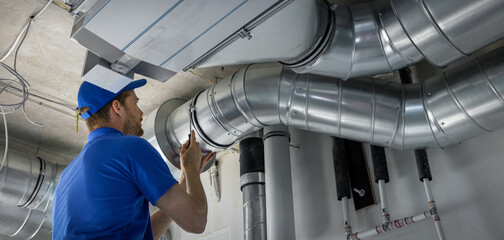
While some homeowners attempt to clean air ducts themselves using basic vacuum attachments or DIY tools, professional services offer clear advantages. Technicians have specialized equipment designed to reach deep into ductwork, remove stubborn debris, and prevent contamination from spreading.

Additionally, professionals can identify underlying issues such as leaks, mold growth, or structural damage, addressing problems that might go unnoticed with a DIY approach. Attempting extensive cleaning without proper tools and knowledge may result in incomplete removal of contaminants or even damage to the duct system.

Preparing for Air Duct Cleaning

You can make the cleaning process smoother by taking a few preparatory steps:

  • Remove or cover furniture and personal items near vents and registers
  • Ensure pets and children are in a safe space away from the work area
  • Note any areas where airflow seems weak or odors are present
  • Provide access to crawl spaces, attics, or basements where ductwork may be located

Preparation ensures the technicians can work efficiently and achieve the best results.

Long-Term Maintenance Tips

In addition to professional cleaning, homeowners can maintain cleaner air ducts through routine practices:

  • Replace HVAC filters regularly according to manufacturer guidelines
  • Keep vents and registers free of dust and obstructions
  • Schedule periodic inspections to catch early signs of dirt or damage
  • Maintain proper humidity levels to prevent mold growth

Consistent maintenance reduces the buildup of dust and debris, extending the benefits of professional cleaning.

Investing in Health and Comfort

Air duct cleaning is more than a cosmetic improvement; it’s an investment in health, comfort, and energy efficiency. Clean ductwork enhances indoor air quality, supports HVAC performance, and helps protect the well-being of everyone in the space.

By recognizing signs of buildup, scheduling regular cleaning, and following preventive maintenance practices, property owners can enjoy a more comfortable and healthier indoor environment all year long.

Clean air ducts are a crucial part of a well-functioning HVAC system and a healthier home. Professional air duct cleaning removes accumulated dust, allergens, and contaminants, improving both comfort and energy efficiency. Combining expert cleaning with routine maintenance ensures that indoor air remains fresh and safe for occupants while extending the lifespan of your heating and cooling system.

Taking the step to maintain your air ducts today can lead to noticeable improvements in air quality, reduced utility costs, and greater peace of mind for years to come.

Cabinet Refinishing for Kitchen Remodels on a Budget

San Jose Cabinet Refinishing

Kitchen upgrades that improve functionality and aesthetics boost resale value. A skilled San Jose Cabinet Refinishing professional can deliver a stunning visual transformation at a fraction of the cost of new cabinets.

Simple changes like changing cabinet knobs or handles add an instant refresh. These detail-driven upgrades resonate with buyers in San Jose’s competitive housing market.

Budget-Friendly Upgrades

Kitchens are the heart of the home, and upgrading them can enhance style and functionality. These upgrades are designed to increase a home’s value by improving everyday living, and often cost less than complete renovations.

Cosmetic upgrades like cabinet paint or refinishing, updated hardware, and new lighting offer the strongest return on investment. These updates create a cleaner look, and are easy to maintain. When combined with other low-cost upgrades, they can make a dramatic transformation.

Functional upgrades, such as toe-kick drawers and pull-out shelves, can reduce clutter and improve storage efficiency. Installing rack organizers for lids, spices, and cutting boards can help cooks find what they need quickly. Smart appliances, including energy-saving microwaves and smart trash cans, add practical value that makes the space easier to work in day-to-day.

A kitchen’s countertops set the tone for its overall appearance, but are also key to functionality. Installing a countertop with a rich texture or pattern can add an instant sense of luxury. Adding a backsplash with a bold pattern can also elevate a room.

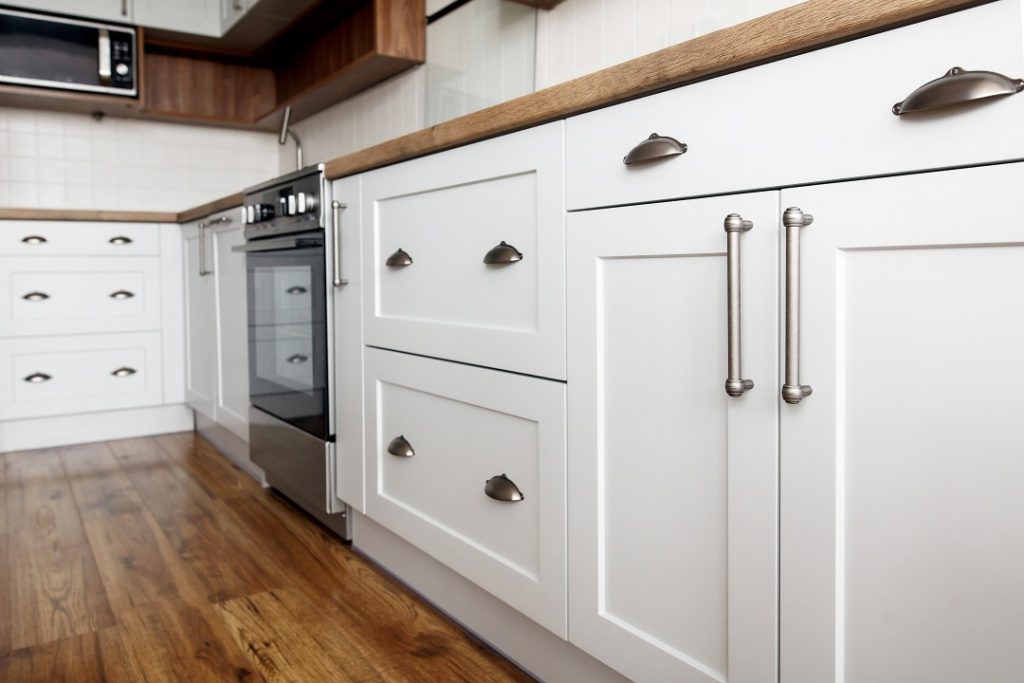
Refinishing or refacing cabinets can make an impressive visual impact, and is one of the lowest-cost ways to refresh a kitchen. This option keeps existing cabinet boxes in place, but replaces doors and drawer fronts with a custom veneer or laminate finish. Popular options include two-toned colors, matte and textured finishes, and sleek hardware.

Cabinet painting is another budget-friendly cabinet update, and is a great way to introduce a fresh color scheme without the cost of replacement. Professionals can match any color and provide high-quality, long-lasting results.

When selecting a color, consider whether it can be maintained easily, and how well it will stand up to everyday use. Light colors, such as white or soft gray, open the room and make it feel bigger. Darker finishes can also offer a modern, sophisticated look.

A fresh coat of paint or stain is an easy, budget-friendly upgrade that can transform a kitchen. Choose a color that complements the kitchen’s architectural features and fits your personal taste.

Minimal Plumbing and Electrical Work

While kitchen upgrades can be costly, minimizing the expense of a remodel is possible. The key is to make smart substitutions that keep your vision intact. For example, a new faucet can add style and functionality without requiring a major plumbing upgrade. In the same vein, updating lighting and trim can create a whole new look while improving your home’s energy efficiency.

The same principle applies to cabinet refinishing, which is an excellent solution when you need more than just a cosmetic update. This budget-friendly option saves homeowners 25% to 50% compared to full replacement, and is ideal when your existing cabinets are structurally sound. A complete cabinet refinishing includes deep cleaning, sanding, staining or painting, and a protective finish.

When planning a budget-conscious kitchen remodel, it’s important to consider labor costs as well as materials. The cost of labor varies significantly by region and season. The best way to get a clear picture of your remodeling expenses is to speak with multiple professionals in your area. This will help you identify your project’s true potential and understand what it will take to achieve your goals.

It’s also a good idea to ask about seasonal discounts. Many appliance retailers offer clearance sales in late fall and early spring, while home supply stores often mark down items like outdoor kitchen components during the winter. This can dramatically reduce your kitchen upgrade costs without sacrificing quality or style.

Similarly, addressing long-standing issues in your home’s plumbing and electrical systems may require some additional money. Changing the location of outlets or rerouting sink plumbing, for example, is a complex task that requires licensed plumbers and electricians. Additionally, major repairs may be necessary to address issues like faulty water heaters or outdated insulation.

A well-planned and executed kitchen remodel can have lasting benefits for your home. In addition to increasing your property value, a modern kitchen makes your family more comfortable and enjoyable. The key to success is to plan carefully, prioritize your needs, and work with licensed professional contractors.

Upgrade Pairings

Cabinet refinishing is one of the easiest and most cost-effective kitchen upgrades. It can give your cabinets a fresh new look in less time than it takes to install a whole new set of doors or drawer fronts. Choose a light color to open up the space and make it appear larger, or a darker stain that adds rich texture and warmth. Two-tone finishes are a popular trend that creates visual interest without the expense of fully replacing your cabinets.

If your existing cabinet hardware is looking outdated, you can refresh the look by swapping out handles and knobs for modern alternatives. You can also change the look of your cabinets by adding decorative or coordinating accents like trim, molding, and glass inserts. If you opt to paint your cabinetry, be sure to use a hard enamel that will hold up well to frequent handling and cleaning.

Replacing countertops is a big investment that can improve both the style and functionality of your kitchen. For a budget-conscious option, try countertop refinishing kits that are designed to restore worn surfaces or change the color. These kits include paint and sealant that is formulated to withstand kitchen use. For a more durable option, you can also replace the countertop with a laminate overlay. Laminate technology has advanced to mimic the appearance of natural stone or wood at a fraction of the cost.

Changing your kitchen lighting can brighten the space and make it feel more inviting. Swapping out outdated ceiling fixtures for pendants or under-cabinet LED lights can improve both style and functionality. LED bulbs are affordable, energy efficient, and offer customizable ambiance.

Decorative accents can help your kitchen stand out, and they’re a great way to personalize your space on a budget. Rather than buying new decor, you can display your favorite dishware on open shelves or install hooks to hang colorful or sentimental mugs. Replacing your kitchen faucet with a sleek pull-down model is another easy and inexpensive upgrade that will instantly update the look of your space.

Design Strategies

Cabinets often play a key role in the overall look and feel of your kitchen. However, as time passes, many homeowners find their cabinets starting to lose their appeal and may require a facelift. When this happens, professionals usually opt to replace, reface or refinish the existing cabinets. This is an excellent choice when the cabinet layout still works and only the design needs to be refreshed. However, the hefty price tag and inconvenience of a complete replacement project can be a turn off for some homeowners, especially those who aren’t planning to stay in their home long-term.

In cabinet refinishing, the existing cabinets are deep cleaned and sanded, then re-stained or painted to refresh the color scheme. This allows for a wide range of design options, from a sleek, modern appearance to a traditional, rustic feel and even unique effects like distressed or antiqued finishes. Additionally, this option is perfect if the cabinet boxes are still structurally sound and only need to be touched up with some paint or stain.

While refinishing provides a dramatic change, it can be messy and time-consuming. Fortunately, professional assistance is available to ensure an impeccable job that will last for years to come.

The next step up from refinishing is cabinet refacing, a moderate-priced option that involves replacing the doors and drawer fronts but leaving the existing cabinet boxes untouched. This provides a more drastic change than refinishing, but is more cost-effective and less time-consuming.

During the process, the existing cabinets are assessed to ensure they’re in good condition and can support new door and drawer fronts. They’re then covered with a laminate, veneer, or wood finish that matches or enhances the style you want for your kitchen. The new doors and drawer fronts are then installed, along with any upgraded hardware to complete the new look.

If you’re looking for an alternative to a full replacement that offers the same great style and functionality, cabinet refacing is a wise investment. It will also help boost your home’s resale value when it comes time to sell.

Navigation